


In the world of television dramas, plot twists are the secret ingredients that keep audiences glued to their screens. If you’re a fan of the show “Mannat,” you’re in for a treat as we dive deep into the latest written update, revealing all the exciting plot twists and turns. Have the Best information about Mannat Written Update.
This article will not only entertain you with the latest happenings in “Mannat” but also offer insights on storytelling techniques that aspiring novelists, content marketers, and graduate students can learn from. So, grab a cup of tea, get comfy, and let’s unravel the drama!
In this episode of “Mannat,” the plot thickens as our beloved characters face new challenges. If you missed it, here’s a quick recap:
The Love Triangle Intensifies
The episode opens with Mannat caught in a complicated love triangle. On one side, there’s Arjun, the charming and ambitious businessman who has won Mannat’s heart. On the other, we have Sameer, the childhood friend who has always been there for her. This setup isn’t just a romantic entanglement; it explores themes of loyalty, ambition, and the complexity of human emotions.
The tension in the love triangle escalates as Mannat finds herself torn between her past and future. Arjun represents new opportunities and a future filled with promise, while Sameer embodies the comfort and stability of the past. This emotional turmoil not only adds depth to Mannat’s character but also keeps viewers guessing about her final choice. As an aspiring novelist, take note of how the show uses conflict to develop characters and drive the narrative forward.
Moreover, the love triangle serves as a microcosm of the broader themes in “Mannat.” It reflects the internal and external conflicts that characters face, providing a rich tapestry of storytelling that resonates with the audience on multiple levels. This is an excellent example for writers looking to weave complex emotional narratives into their work.
Secrets Unveiled
As the story unfolds, long-buried secrets come to light, shaking the foundation of Mannat’s world. Her family’s hidden past surfaces, revealing connections she never knew existed. This revelation creates suspense and intrigue, compelling viewers to keep watching. These secrets are not mere plot devices; they are intricately tied to the character’s motivations and the story’s progression, making each revelation impactful and meaningful.
The unveiling of secrets is a masterstroke in storytelling, as it redefines the relationships and dynamics between characters. It challenges their perceptions and forces them to confront harsh realities, often leading to profound character development. For content marketers, this is a golden lesson in keeping your audience engaged. Think about how you can incorporate unexpected twists or revelations in your content to maintain interest and encourage continued reading or viewing.
Furthermore, the strategic revelation of secrets in “Mannat” highlights the importance of pacing in storytelling. By carefully timing these revelations, the writers maintain suspense and provide just enough information to keep viewers hooked. This technique can be invaluable for writers and marketers looking to create content that captivates and holds the audience’s attention.
The Villain’s Plan
Every good story needs an antagonist, and “Mannat” has no shortage of them. In this episode, we witness the cunning villain, Rhea, plotting her next move. Her devious strategies add tension and keep viewers on the edge of their seats. Rhea’s character is not just a typical villain; her motivations and actions are deeply rooted in the story’s context, making her a formidable adversary.
Rhea’s meticulous planning and strategic thinking are key elements that drive the plot forward. Her presence adds layers of complexity to the story, as she challenges the protagonists and forces them to adapt and evolve. For graduate students, the villain’s meticulous planning can serve as inspiration for structuring academic arguments. Just as Rhea carefully orchestrates her plans, you can organize your ideas to build a compelling case.
Moreover, Rhea’s character serves as a reminder of the importance of a well-rounded antagonist in storytelling. A strong villain not only provides conflict but also enhances the protagonist’s journey, creating a narrative that is both engaging and thought-provoking.
Storytelling Techniques to Enhance Your Writing
The latest episode of “Mannat” is not just about entertainment; it’s a masterclass in storytelling. Let’s explore some techniques used in the show that you can apply to your own writing projects.
Building Tension and Conflict
Conflict is the heart of any engaging story. In “Mannat,” the love triangle and family secrets create tension that keeps viewers invested. The show skillfully balances multiple storylines, each contributing to the overall tension and conflict. As a writer, consider how you can introduce conflict in your narrative to captivate your audience.
Tension is not merely about dramatic events; it’s about the emotional and psychological stakes for the characters. “Mannat” achieves this by developing relatable characters with clear motivations and goals, making the audience invested in their journey. Writers can learn from this by ensuring that their characters’ conflicts are rooted in their desires and fears.
Additionally, the pacing of tension in “Mannat” is noteworthy. The show masterfully alternates between moments of high drama and quieter, introspective scenes, creating a rhythm that keeps viewers engaged. Aspiring writers should consider how they can use pacing to enhance the emotional impact of their stories.
Developing Complex Characters
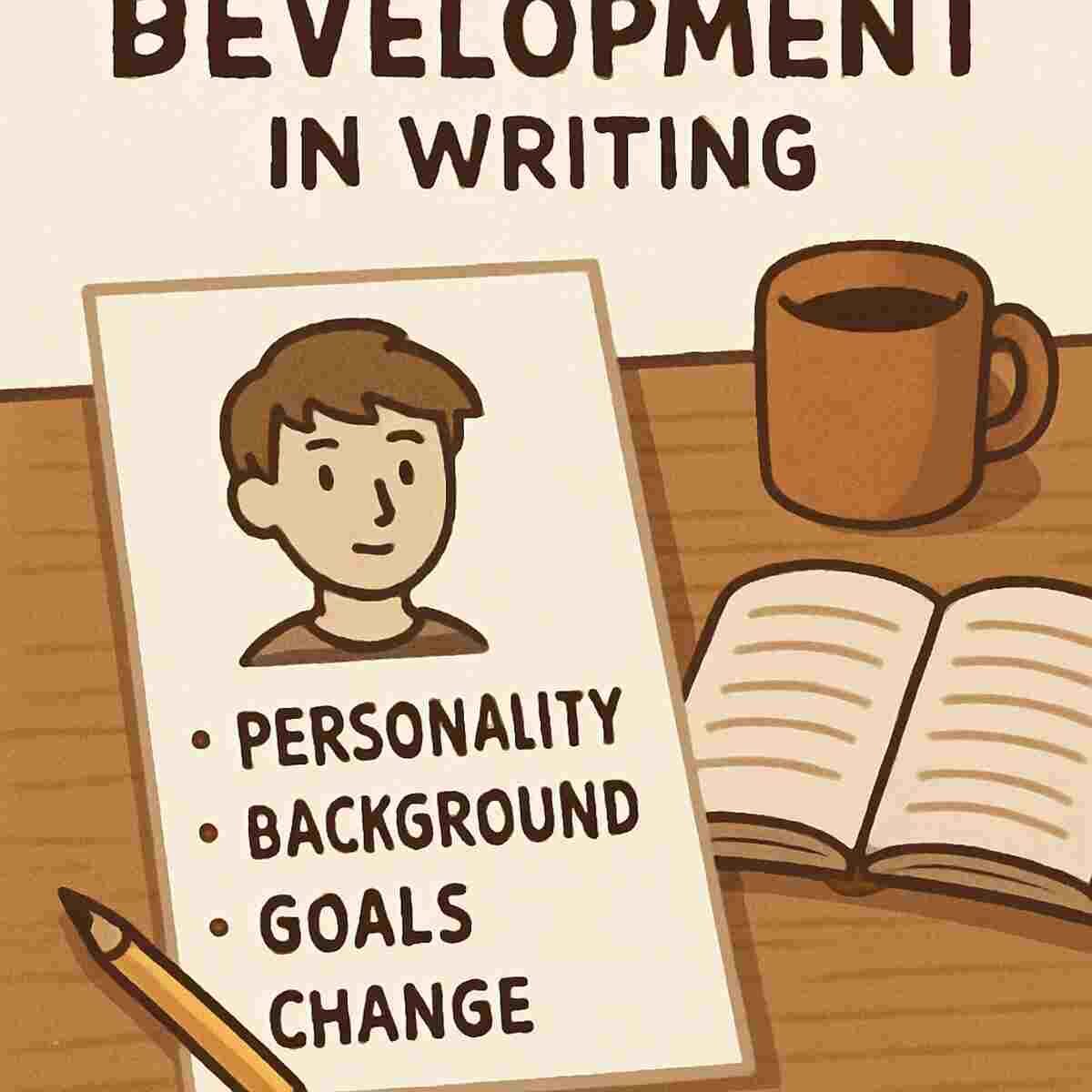
Characters like Mannat, Arjun, and Rhea are multi-dimensional, with strengths, weaknesses, and motivations. Their development is integral to the show’s appeal, as viewers connect with their struggles and triumphs. When creating characters, focus on their backstory, desires, and flaws to make them relatable and believable.
Complex characters are defined by their internal and external conflicts. “Mannat” delves into the characters’ pasts, revealing the experiences that shape their actions and decisions. This depth adds layers to the narrative, allowing viewers to see different facets of each character. Writers can emulate this by crafting detailed character profiles that inform their stories.
Furthermore, the show’s commitment to character growth is evident in the way characters evolve over time. Their journeys are marked by personal growth and transformation, reflecting the broader themes of the narrative. This approach can be particularly inspiring for writers seeking to create characters that resonate with their audience.
Using Foreshadowing
Foreshadowing is a powerful tool to hint at future events and build anticipation. “Mannat” cleverly uses this technique to keep viewers guessing. The show plants subtle clues throughout its episodes, which later unfold into significant plot developments. As a writer, think about how you can drop subtle hints in your story to create intrigue.
Effective foreshadowing requires careful planning and attention to detail. In “Mannat,” seemingly minor details often have larger implications, rewarding attentive viewers with a deeper understanding of the story. Writers can take inspiration from this by weaving foreshadowing elements into their narratives, creating a more immersive experience for their readers.
Moreover, foreshadowing in “Mannat” enhances the overall coherence of the story. It ties together various plot threads, ensuring that each twist and turn feels earned and logical. This technique can be invaluable for writers looking to create cohesive and compelling narratives.
Practical Tips for Aspiring Writers
Whether you’re an aspiring novelist, content marketer, or graduate student, honing your writing skills is essential. Here are some practical tips to help you improve:
Write Regularly
Consistency is key to improving your writing. Set aside time each day to write, whether it’s journaling, blogging, or working on your novel. The more you practice, the better you’ll become. Regular writing helps you develop a writing habit, making it easier to overcome writer’s block and maintain momentum in your projects.
In addition to daily writing, consider setting specific goals for your writing sessions. Whether it’s a word count target or completing a chapter, having clear objectives can boost your productivity and motivation. Over time, you’ll find that your writing style becomes more refined and your ideas flow more naturally.
Moreover, experimenting with different types of writing can enhance your skills. Try your hand at various genres, styles, and formats to discover what resonates with you and expands your creative horizons.
Seek Feedback
Don’t be afraid to share your work with others and seek constructive feedback. Join writing groups, participate in workshops, or ask friends and colleagues for their input. Feedback is invaluable for identifying areas of improvement and gaining new perspectives on your writing.
When receiving feedback, approach it with an open mind and a willingness to learn. Constructive criticism can be a powerful tool for growth, helping you refine your ideas and enhance your storytelling abilities. Remember that every writer has unique strengths and weaknesses, and feedback can help you build on your strengths while addressing your weaknesses.
Additionally, providing feedback to others can be equally beneficial. It encourages critical thinking and helps you recognize effective storytelling techniques, which you can apply to your own writing.
Read Widely
Reading a variety of genres and styles can inspire your writing and broaden your understanding of storytelling techniques. Pay attention to how authors structure their stories and develop characters. Reading widely exposes you to diverse voices and perspectives, enriching your own writing.
Immerse yourself in different literary traditions and explore works from around the world. This exposure can spark new ideas and challenge your assumptions, leading to more innovative and original writing. As you read, take note of the techniques that resonate with you, and consider how you can incorporate them into your own work.
Furthermore, reading critically can enhance your analytical skills. Analyze how authors build tension, develop themes, and create memorable characters. This practice can deepen your appreciation for storytelling and inform your approach to writing.
Break Down Complex Ideas
If you struggle with simplifying complex topics, practice breaking them down into smaller, manageable parts. Use analogies, examples, and clear language to make your writing accessible to a wider audience. Simplifying complex ideas is an essential skill for any writer, as it ensures that your message is understood and appreciated by your readers.
Start by identifying the core concepts you want to convey and consider how you can present them in a clear and concise manner. Analogies and examples can be effective tools for illustrating abstract ideas, making them more relatable and understandable.
Additionally, pay attention to your writing style and language. Aim for clarity and precision, avoiding jargon or overly complex sentences. By simplifying your language, you can create content that resonates with a broader audience and effectively communicates your message.
Conclusion
The latest episode of “Mannat” is a testament to the power of storytelling. With its intricate plot twists, compelling characters, and suspenseful moments, it’s a show that captivates viewers and leaves them wanting more. The show’s ability to balance drama, emotion, and intrigue serves as a valuable lesson for writers across genres.
As you embark on your own writing journey, remember the lessons learned from “Mannat.” Use conflict to drive your narrative, develop complex characters, and keep your audience engaged with unexpected twists. These techniques can elevate your storytelling and create narratives that resonate with readers on an emotional level.
With practice and dedication, you’ll be well on your way to crafting stories that leave a lasting impact. Embrace the challenges and joys of writing, and let your creativity shine. Happy writing!
