

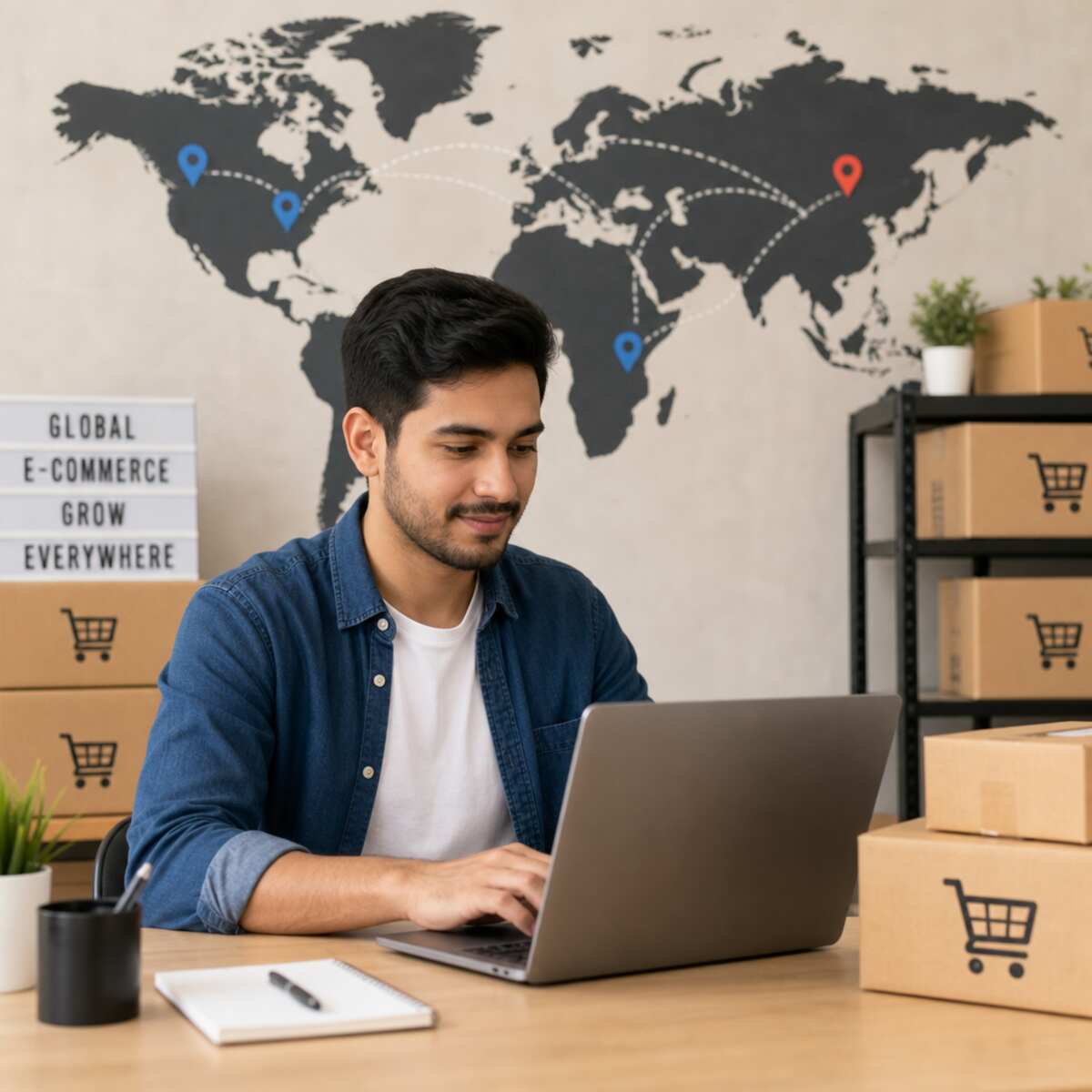

The e-commerce landscape has transformed dramatically over the last decade, but one business model remains a cornerstone for aspiring entrepreneurs and established brands alike: dropshipping from China. It is the gateway to a global market, offering low overhead costs, zero inventory management, and an unparalleled variety of products. What do you need to consider about dropshipping from china.
However, building a sustainable dropshipping business today requires far more than simply throwing up a storefront and driving traffic to generic product pages. The modern consumer expects faster shipping, premium product quality, and exceptional customer service. To succeed, you must evolve from a basic middleman into a strategic brand owner.
This comprehensive guide will walk you through every critical aspect of running a profitable operation. From securing the best dropshipping suppliers to navigating complex international logistics and legalities, we will cover the essential strategies you need to thrive in the competitive world of global e-commerce.
The Evolution of the Dropshipping Business Model
In the early days of e-commerce, dropshipping from China was relatively straightforward. You could list a product, wait weeks for it to arrive to the customer via ePacket, and still turn a massive profit. Today, the landscape is highly competitive. Customers are conditioned by Amazon Prime to expect rapid delivery, and their tolerance for poor-quality goods is at an all-time low.
Despite these shifts, a dropshipping business remains incredibly lucrative if executed correctly. The manufacturing infrastructure in China is unmatched, providing access to almost any product imaginable at highly competitive prices. The secret to modern success lies in professionalizing your approach: optimizing your supply chain, building a recognizable brand, and mastering customer experience.
Finding and Vetting the Best Dropshipping Suppliers
Your suppliers are the lifeblood of your business. If they fail, you fail. Your supplier controls product quality, fulfillment speed, and ultimately, your brand’s reputation. Navigating the myriad of platforms and sourcing options is the first major hurdle for any dropshipper.
Navigating the Giant Marketplaces
For most entrepreneurs, the journey begins on massive online directories and marketplaces. Knowing which platform suits your business stage is critical.AliExpress: The Beginner’s Proving Ground
AliExpress remains the most accessible platform for testing new products. However, the platform is saturated with middlemen, making it vital to know how to find reliable suppliers on AliExpress.
To filter out the bad actors, follow these strict criteria:
- Check the “Top Brand” Badge: AliExpress awards this to stores with high ratings and reliable track records.
- Analyze the Feedback Score: Only work with suppliers who have a positive feedback rate of 95% or higher, and who have been operating for at least two years.
- Read the 1-Star and 2-Star Reviews: Five-star reviews can be faked, but critical reviews reveal the true flaws in a product or a supplier’s shipping times.
- Assess Responsiveness: Send the supplier a message asking specific questions about their inventory and shipping times. If they take more than 24 hours to reply, or if their communication is poor, move on.
Alibaba vs CJ Dropshipping for Beginners
As you scale, you will likely outgrow standard AliExpress suppliers. At this point, many entrepreneurs weigh the pros and cons of Alibaba vs CJ Dropshipping for beginners.
Alibaba is fundamentally a B2B (business-to-business) platform designed for bulk wholesale orders. While some suppliers offer dropshipping via their “Dropshipping Center,” Alibaba is best utilized when you are ready to buy in bulk, customize products, or transition to a traditional inventory model. It offers the lowest per-unit costs but requires stronger negotiation skills and higher minimum order quantities (MOQs).
CJ Dropshipping, on the other hand, is tailor-made for the modern dropshipper. It acts as a comprehensive fulfillment service. Unlike Alibaba, CJ Dropshipping integrates directly with platforms like Shopify and WooCommerce. They source products for you, hold them in their warehouses, and ship them directly to your customers. For beginners, CJ is often the superior choice because it eliminates the need to negotiate with multiple individual factories and offers much more stable shipping options.Tapping into Local Chinese Markets
For advanced sellers looking for the absolute lowest base prices, domestic Chinese platforms offer a distinct advantage. Engaging in 1688 dropshipping for global sellers has become a massive trend. 1688.com is essentially the domestic version of Alibaba, meant for the Chinese market. Because it bypasses English-speaking export agents, prices are significantly lower.
However, 1688 is entirely in Chinese, and suppliers typically accept only Chinese payment methods (like Alipay) and ship only within China. To utilize 1688, you will absolutely need a local partner or software to bridge the gap.
Beyond the Platforms: Working with Agents
Relying solely on public marketplaces limits your scalability. Once you are generating consistent daily orders (typically 20-30 per day), it is time to upgrade your supply chain by hiring a Chinese sourcing agent.
A private sourcing agent is an individual or an agency based in China who acts as your eyes and ears on the ground. Their responsibilities include:
- Sourcing the best factories: They bypass platforms and go directly to manufacturers to get you the lowest price.
- Consolidating orders: If you sell multiple items, an agent can package them into one box, saving you a massive amount on shipping.
- Quality control: They inspect the goods before they leave the country.
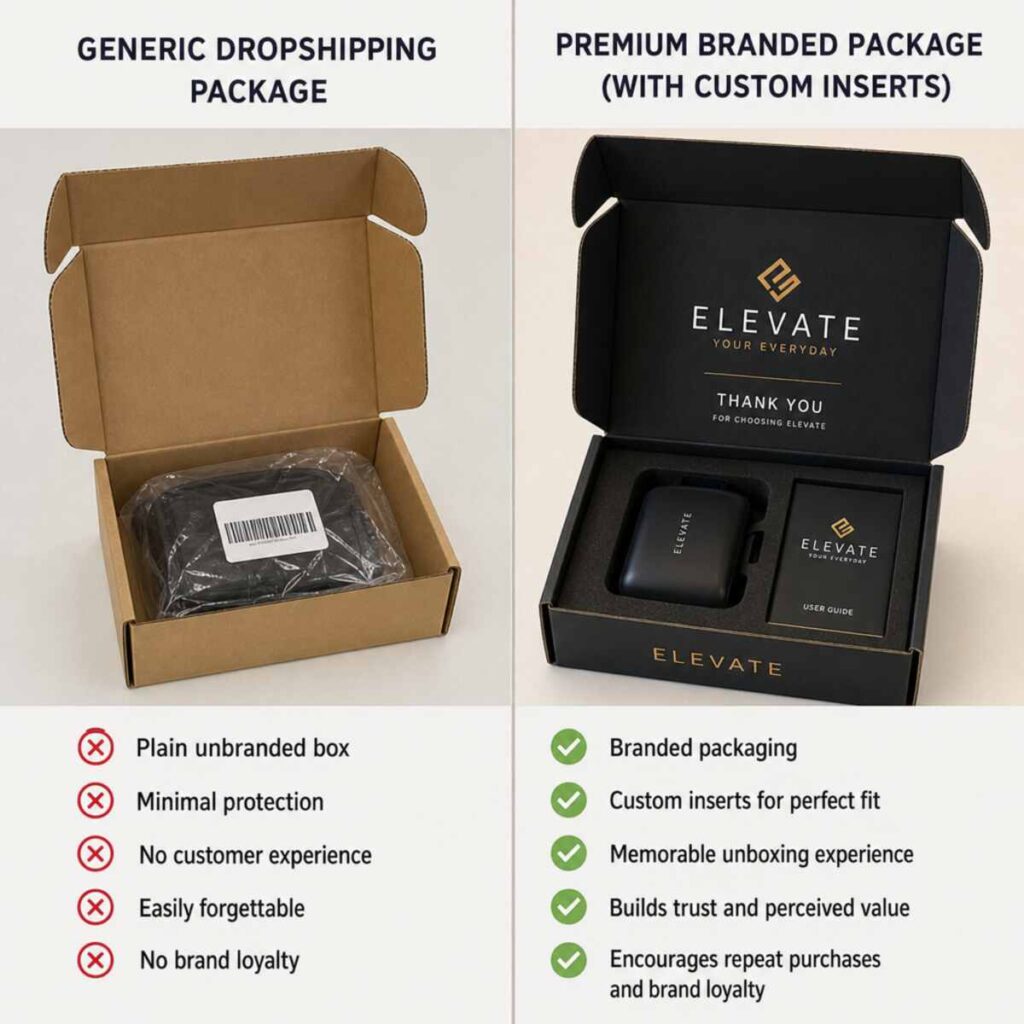
- Custom packaging: Agents can easily source and apply custom boxes, inserts, and stickers for your brand.
Finding a good agent requires networking in e-commerce communities (like specialized Facebook groups, Discord servers, or Upwork). Always ask for references and start by giving them a small batch of orders to test their fulfillment speed and reliability.
The Secret to Long-Term Success: Quality Control and Branding
In the modern e-commerce landscape, selling generic, low-quality items is a surefire way to incur chargebacks, have advertising accounts banned, and ruin your reputation. You must take ownership of the product you are selling, even if you never physically touch it.
Always Test Before You Sell
One of the most catastrophic mistakes new dropshippers make is running ads for a product they have never seen in person. Vetting product quality through samples is a non-negotiable step in your business operations.
When you order a sample to your home, evaluate the following:
- Unboxing Experience: Is the packaging crushed? Does it smell like harsh chemicals? The first impression dictates customer satisfaction.
- Build Quality: Does the product function exactly as advertised? Is it durable?
- Shipping Time: Track exactly how many days it took for the sample to reach you. This gives you a baseline for what your customers will experience.
- Photography Potential: Having the product on hand lets you shoot your own custom photos and video ads, instantly setting you apart from competitors who use recycled supplier videos.
Standing Out in a Crowded Market
To build a sustainable asset, you must transition from selling commodities to selling a brand. This brings up the debate of white-label dropshipping vs. private-label.
White label dropshipping involves taking a generic product manufactured by a supplier and applying your brand’s logo and packaging to it. The product itself isn’t unique, but the presentation is. This is highly popular because it requires lower MOQs.
Private label, conversely, involves modifying the actual product. You might ask a manufacturer to change the material, add a new feature, or alter the dimensions. This creates a truly unique product but usually requires significant upfront capital and high MOQs.
For most dropshippers, the middle ground is the most profitable: private labeling dropship products for branding. You don’t necessarily need to re-engineer the product. You can start small by:
- Custom Packaging: Asking your agent to place the item in a branded box.
- Custom Inserts: Adding a thank-you card with a discount code for their next purchase.
- Product Engraving/Printing: Having your logo laser-engraved or silk-screened onto the item.
These small touches transform a cheap commodity into a premium brand experience, allowing you to charge higher prices and build customer loyalty.
Mastering Logistics: Shipping, Warehousing, and Fulfillment
If there is one aspect of dropshipping from China that causes entrepreneurs the most anxiety, it is shipping. Managing customer expectations regarding delivery times is crucial for survival.
Decoding Shipping Times and Methods
The days of relying on ePacket—which frequently took 30 to 60 days—are largely over. Today, savvy entrepreneurs utilize dedicated shipping lines. Understanding the best international shipping methods for dropshippers will give you a massive competitive edge.
Look for suppliers and agents that utilize services like:
- YunExpress: Arguably the most popular and reliable dedicated line for e-commerce. They fly goods directly to the destination country, clear customs in bulk, and hand the package off to the local postal service (like USPS or Royal Mail).
- Yanwen: Similar to YunExpress, offering “Special Line” services that are fast and trackable.
- CNE Express: Another highly reliable option for fast global delivery.
When assessing shipping times from China to Europe, these dedicated lines have fundamentally changed the game. Previously, European deliveries were notorious for taking weeks and getting stuck in customs. Today, using a dedicated European line (often combined with prepaid VAT systems), packages routinely reach countries such as the UK, Germany, and France within 6 to 10 business days. Shipping to the United States typically averages 7 to 12 days using similar express methods.
Slashing Delivery Times
Even 7 to 12 days can seem too long for some consumers. The ultimate logistics strategy involves reducing delivery times from overseas warehouses.
As your business matures and you identify your winning products, you should no longer ship every single order directly from Asia. Instead, purchase inventory in bulk and use 3PL (Third-Party Logistics) providers located in your target countries.
For example, if 70% of your customers are in the United States, you can use an agent to ship 1,000 units by sea freight (which is incredibly cheap) to a warehouse in California. When an American customer places an order, the software pings the US warehouse, and the customer receives their item in 2 to 4 days. Platforms like CJ Dropshipping, AutoDS, and independent 3PLs offer international warehousing solutions that allow dropshippers to compete directly with Amazon’s delivery speeds.
Scaling with Technology
Fulfilling 5 orders a day manually is easy; fulfilling 500 requires infrastructure. Utilizing automation tools for order fulfillment is mandatory for scaling.
Tools like DSers, AutoDS, and Zendrop seamlessly integrate with your store. When a customer buys an item, these tools automatically forward the order details to your supplier, pay for the wholesale cost, and automatically update your store with the tracking number once the item ships.
Furthermore, managing inventory with Chinese manufacturers becomes complex when you start doing volume. You must ensure your supplier doesn’t suddenly run out of stock during your peak advertising days. To prevent this:
- Use ERP (Enterprise Resource Planning) Software: Many Chinese agents use systems like Dianxiaomi or Mabang. Ensure your fulfillment software integrates with their ERP so you have real-time data on factory stock levels.
- Pay for Reserve Inventory: If you have a winning product, pay your supplier a deposit to manufacture and hold 500 units specifically for your store. This guarantees you never face a stockout during a scaling phase.
Navigating the Legalities: Customs, Taxes, and Compliance
The unglamorous side of international e-commerce involves taxes, legalities, and border control. Ignoring these factors can result in seized goods, massive fines, or a shut-down store.
Import Duties and Taxes
When goods cross international borders, governments want their cut. Understanding import customs and duties for ecommerce is vital to ensure your customers aren’t hit with unexpected bills at their doorstep—a scenario that guarantees bad reviews and chargebacks.
- The US De Minimis Rule: As of writing, the United States allows packages valued under $800 to enter the country duty-free. This is a massive advantage for dropshippers selling low- to medium-ticket items, as most packages will bypass customs fees entirely.
- The EU IOSS System: Europe is stricter. The European Union requires VAT (Value Added Tax) to be paid on all imported goods, regardless of value. To solve this, the EU introduced the Import One-Stop Shop (IOSS). E-commerce platforms like Shopify allow you to collect VAT directly at checkout. You then provide your IOSS number to your shipping agent. The package clears customs instantly because the taxes have already been paid, resulting in faster shipping times from China to Europe and no surprise fees for the customer.
Always ensure you are shipping goods DDP (Delivered Duty Paid) rather than DDU (Delivered Duty Unpaid) whenever possible. DDP means the sender (your agent) pays the duties, usually factoring it into your shipping cost, ensuring a frictionless experience for the buyer.
Product Compliance and Safety
You cannot dropship just anything. There are strict legal requirements for importing goods from Asia, particularly concerning safety.
If you are dropshipping:
- Electronics: They must have CE certification (for Europe) or FCC certification (for the US).
- Toys: Require strict safety testing (like CPC in the US or EN71 in Europe) to ensure there are no choking hazards or toxic paints.
- Cosmetics and Supplements: Highly regulated by agencies like the FDA. Dropshipping ingestibles or topical creams from unverified Chinese factories is a massive liability and generally discouraged for beginners.
Always ask your suppliers for valid certification documents. If they cannot provide a verifiable CE or RoHS certificate for a high-risk product, do not sell it.
Customer Experience: Turning Challenges into Opportunities
In dropshipping, things will inevitably go wrong. Packages get lost in transit, items arrive broken, and sometimes customers simply change their minds. How you handle these situations dictates the longevity of your business. Outstanding customer service is your ultimate competitive moat.
The Returns Dilemma
One of the most frequently asked questions by beginners is how to handle customer returns and refunds when the supplier is located halfway across the world. Shipping a $20 item back to China often costs more than the item itself and can take weeks, leaving customers frustrated.
Here is the blueprint for handling dropshipping returns:
- The “No-Return” Refund: If the item arrives broken or defective, ask the customer for a photo or video as proof. Once verified, simply refund their money or send a free replacement. Tell them to keep or discard the broken item. You absorb the cost, forward the proof to your Chinese supplier to get your money back, and the customer is delighted by the hassle-free resolution.
- Use Local Return Centers: If the item is of high value and the customer simply doesn’t want it, use a local returns management service. Companies exist in the US and Europe that will receive your returns, inspect them, and hold them. You can then resell these items to future local customers, effectively turning a return into local inventory.
- Clear Policies: Your website must have a crystal-clear return policy. Never copy and paste a generic template that mentions “returns to our overseas facility.” State exactly how many days they have to request a return and the exact process they need to follow. Transparency builds trust.
Proactive Customer Communication
Do not wait for a customer to email you asking, “Where is my order?” Be proactive.
- Set up automated email flows to notify the customer when the item is processed, shipped, and out for delivery.
- Include a dedicated “Track Your Order” page on your store so customers can input their tracking numbers and see real-time updates.
- If you know there is a severe delay (e.g., during the Chinese New Year holidays or global logistics disruptions), email your customers before they notice. Apologize for the delay and perhaps offer a 10% discount on their next order to maintain goodwill.
Actionable Step-by-Step Blueprint for Success
To synthesize the strategies discussed above, here is a clear, actionable blueprint for launching and scaling a successful operation:
Phase 1: Research and Selection
- Identify a profitable niche and product. Avoid highly saturated electronics and focus on passionate problem-solving items.
- Research on AliExpress. Filter for suppliers with >95% positive feedback and the Top Brand badge.
- Order a sample to your home. Test the quality and shipping time, and use original content for your marketing.
Phase 2: Store Build and Launch
- Create a high-converting, branded storefront on Shopify.
- Integrate automation tools like DSers or CJ Dropshipping to sync products and automate fulfilment.
- Ensure all legal pages (Shipping Policy, Return Policy, Terms of Service) are clear and transparent.
Phase 3: Scaling and Upgrading Logistics
- Once you hit 20+ consistent daily orders, stop using AliExpress.
- Hire a dedicated Chinese sourcing agent.
- Implement custom branding (thank-you cards, custom bags) to elevate the unboxing experience.
- Switch to premium shipping lines like YunExpress to guarantee 7-12-day global delivery.
Phase 4: Brand Maturation
- Transition top-selling products to overseas warehouses in your main target markets.
- Ensure full compliance with local tax laws (IOSS for Europe) and safety certifications.
- Focus heavily on backend email marketing and customer retention to maximize Lifetime Value (LTV).
The Future of Global E-commerce
The era of lazy e-commerce is over, but the opportunity for strategic, brand-focused entrepreneurs has never been greater. Dropshipping from China is not a get-rich-quick scheme; it is a highly efficient supply chain model that, when utilized correctly, allows you to bootstrap a global brand with minimal upfront capital.
By meticulously vetting your dropshipping suppliers, demanding strict quality control, leveraging fast shipping lines, and treating your customers with absolute respect, you bypass the common pitfalls that trap amateurs. Success in this industry requires adaptability, persistence, and a commitment to providing real value. Equip yourself with the right knowledge, partner with reliable agents, and you will be well on your way to building a thriving, sustainable e-commerce empire.
